
Hydrocephalus
What is Hydrocephalus?
Hydrocephalus is a medical condition characterized by an abnormal buildup of cerebrospinal fluid (CSF) in the ventricles (cavities) of the brain. This buildup can increase the pressure inside the skull, compressing the surrounding brain tissue. This increased pressure can lead to symptoms such as headaches, vomiting, blurred vision, balance problems, convulsions, an increase in head size (especially in infants), and potential brain damage. If left untreated, hydrocephalus can be fatal.
If you or someone you know is experiencing any of these symptoms, it is crucial to schedule a consultation with a qualified medical professional as soon as possible.
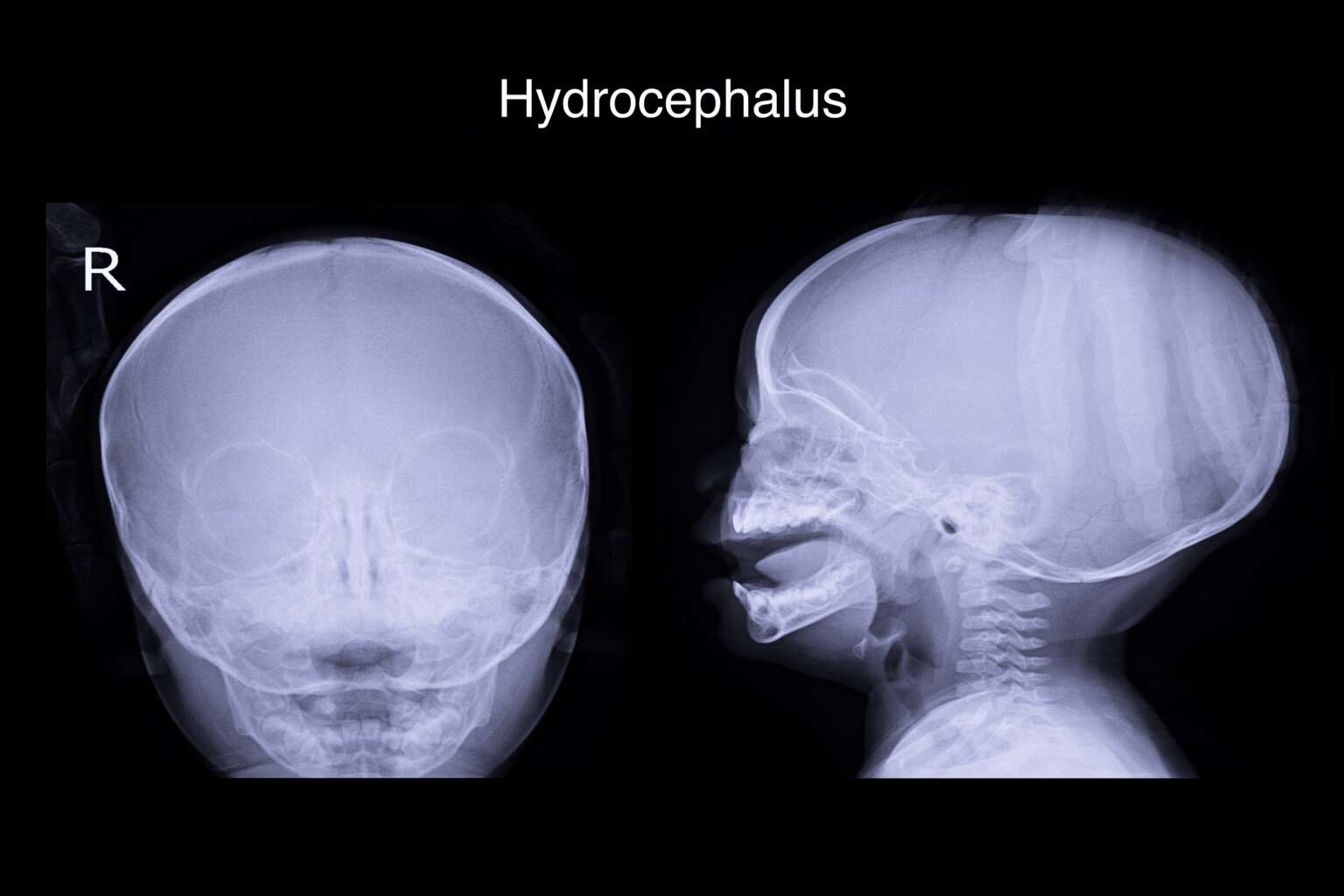
Causes of Hydrocephalus
Cysts, tumors, and birth defects in the brain can block the normal flow of cerebrospinal fluid, leading to buildup.
Having injuries, inflammation, or infections such as bacterial meningitis can hinder the absorption of cerebrospinal fluid by brain tissues.
In some instances, your body can produce a lot of cerebrospinal fluid than your brain can handle. However, these cases are rare.
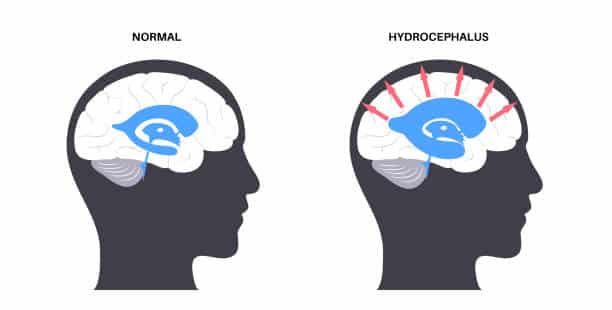
It involves the surgical insertion of the shunt — a drainage system — to channel the fluid to other parts of the body like the abdomen or a heart chamber for easier absorption. If you have hydrocephalus, you may need a shunt system for the rest of your life.
It involves the surgical insertion of the shunt — a drainage system — to channel the fluid to other parts of the body like the abdomen or a heart chamber for easier absorption. If you have hydrocephalus, you may need a shunt system for the rest of your life.