Brain Trauma
What are the Symptoms of Brain Trauma?
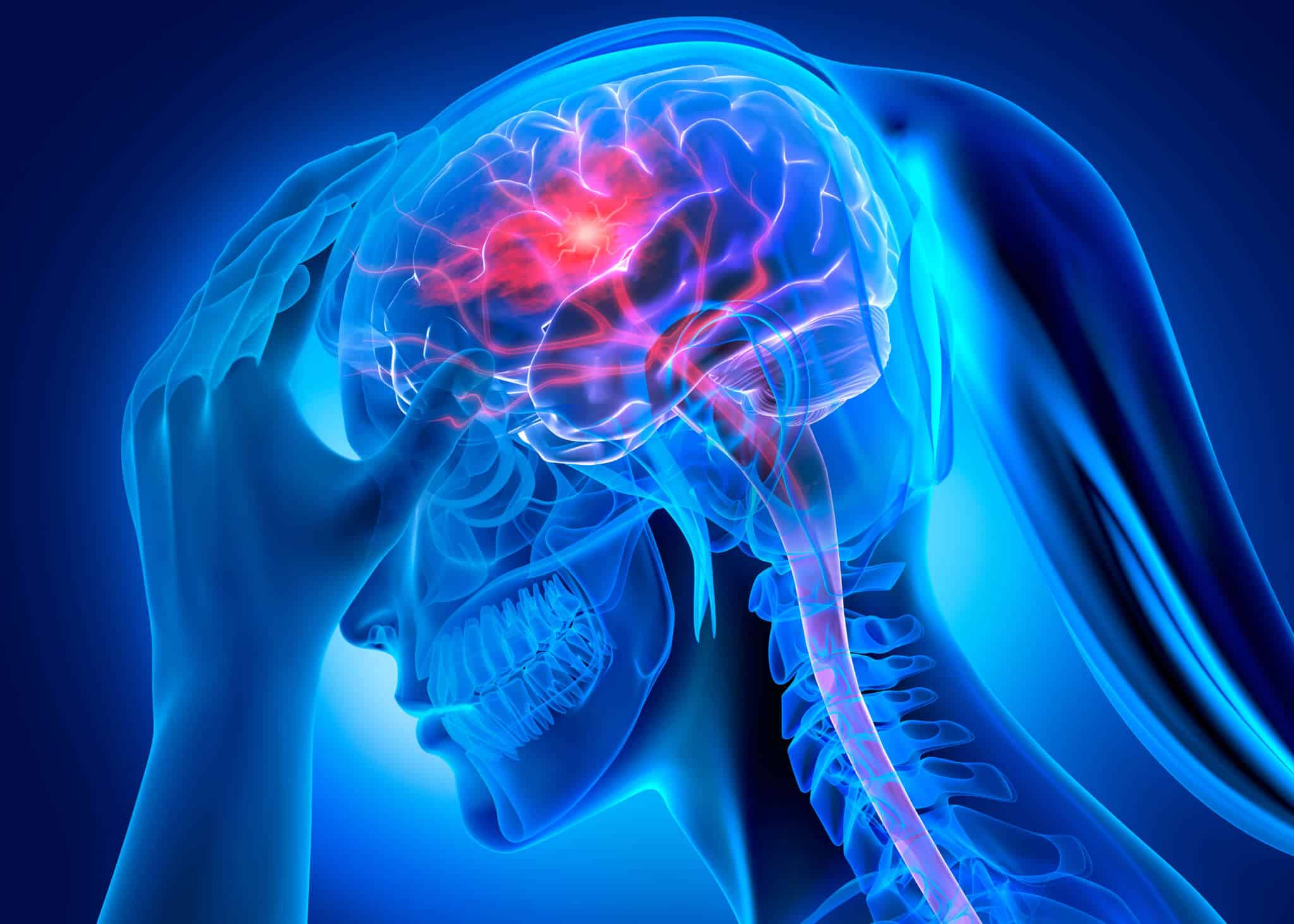
The symptoms of brain trauma vary depending on the severity of the injury sustained during an accident or other incident that caused the head injury. They can include:
- Headaches
- Nausea or vomiting
- Dizziness or vertigo
- Difficulty concentrating or focusing on tasks at hand
- Problems walking straight
- Difficulty speaking clearly
Common Causes of Brain Trauma
Vehicles are one of the most common causes of brain trauma in children, who often suffer from injuries caused by car accidents.
Falls are another common cause of brain trauma in children, and they can occur anywhere — in the home or in public spaces like playgrounds or parks.
These injuries include concussions — which are caused by a sudden blow to the head that causes temporary loss of consciousness (blackout), memory loss, and confusion — and contusions, which are bruises on your brain from bleeding inside your skull.
Control seizures
Prevent or manage problems with fluid buildup in the brain
Prevent blood clots and improve blood flow
Control pain
Control pain
Known Treatments for Brain Trauma
Depending on the severity of the brain trauma, there are a number of different treatment options available. For milder forms of brain trauma, such as concussions, treatment typically involves rest and relaxation until symptoms subside.
For emergencies of more severe forms of brain trauma like bleeding in the brain, surgery may be required to remove the blood and relieve pressure on the brain. Repairing skull fractures may also be necessary. Some treat symptoms of brain trauma to lower the risk of long-term problems by giving prescribed medications.
Schedule an Appointment
If you or your loved ones are experiencing any of the symptoms above, don’t waste a single minute. It is always better to be safe than sorry.
Schedule an appointment with Minnesota neurosurgeon, Dr. Hart Garner today.