
Craniotomy for Subdural Hematoma
Find Chronic Hematoma Relief
Do you suffer from seizures or frequent headaches? After suffering from head trauma in a car accident or severe fall, some patients struggle with subdural hematomas. This is when bleeding occurs within the skull.
For many, this type of hematoma can be serious. Don’t trust your treatment with just any surgeon.
Let us help find the best solution for you.
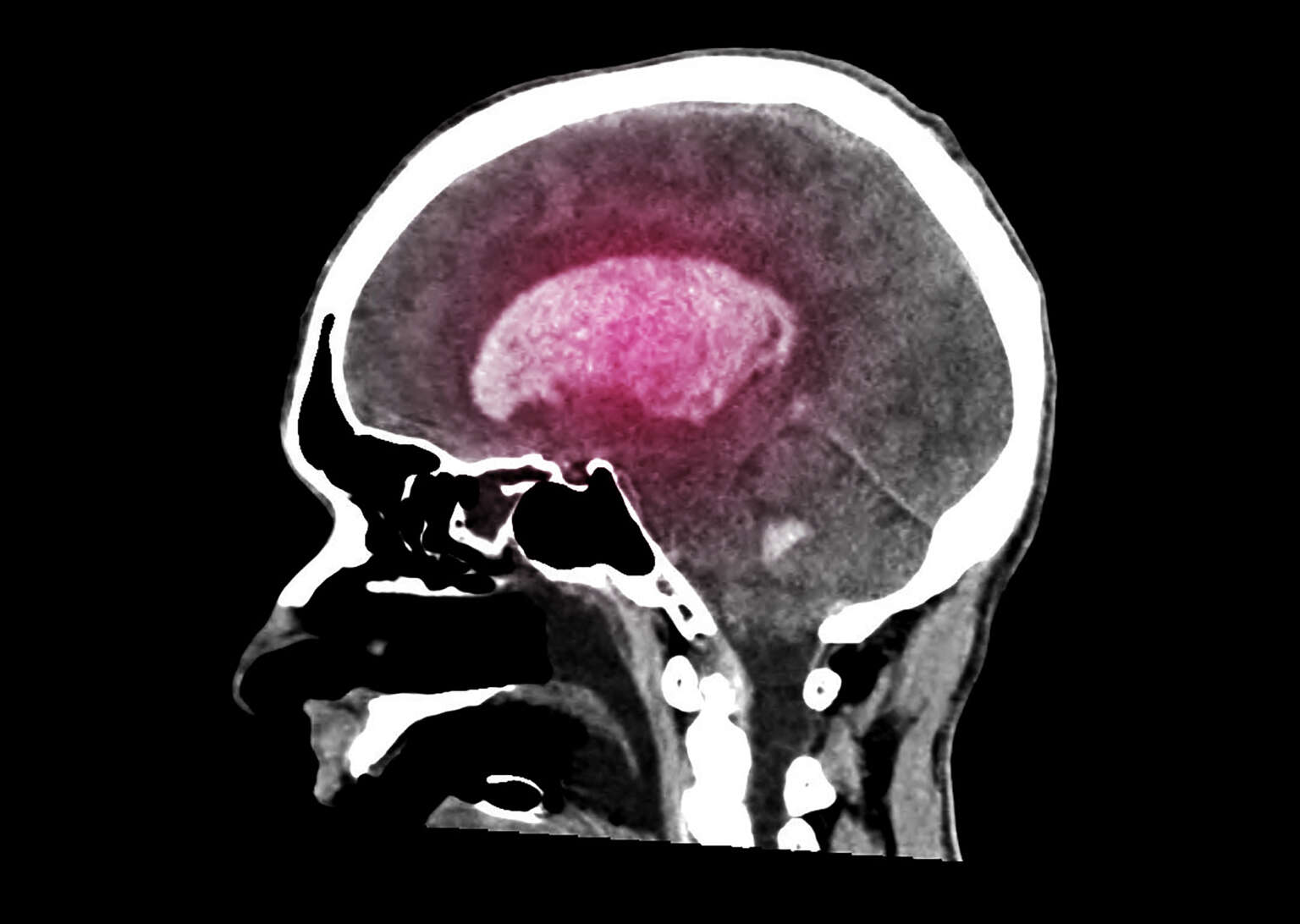
Your neurosurgeon starts by making a small incision in the skin above the brain hemorrhage. Next, small holes are drilled into the bone. The microsurgical saw gets inserted to make an opening in the skull.
This lets your surgeon gain access to the subdural hematoma or blood clot. The hole is temporary and the bone flap is reattached later.
Your surgeon carefully makes incisions in the brain’s tissue to gain access to the blood clot. They may use drainage techniques to make sure excess fluid gets diverted away from the brain.
The doctor may use a special device to suction excess blood from the brain. Additional bleeding is cauterized.
Once the blood clot gets removed, your surgeon sutures the brain tissue and replaces the bone flap. These are reattached to the skull with surgical pins and screws.
Lastly, they suture the scalp closed. The surgery can take up to 3-5 hours to complete. An awake craniotomy could take 5-7 hours.
Hospitalization can last a few days or longer depending on the hematoma’s size and location in the brain.
Expect scalp soreness around your incisions up to five days after surgery. It is common to have eye and facial swelling after surgery. This can take a few days to a week to disappear.
The total recovery process for a craniotomy for subdural hematoma surgery is lengthy. It can take 4 to 8 weeks or longer to fully recover from surgery.