
Robotic Spine Surgery in Minnesota
What is Robotic Spine Surgery?
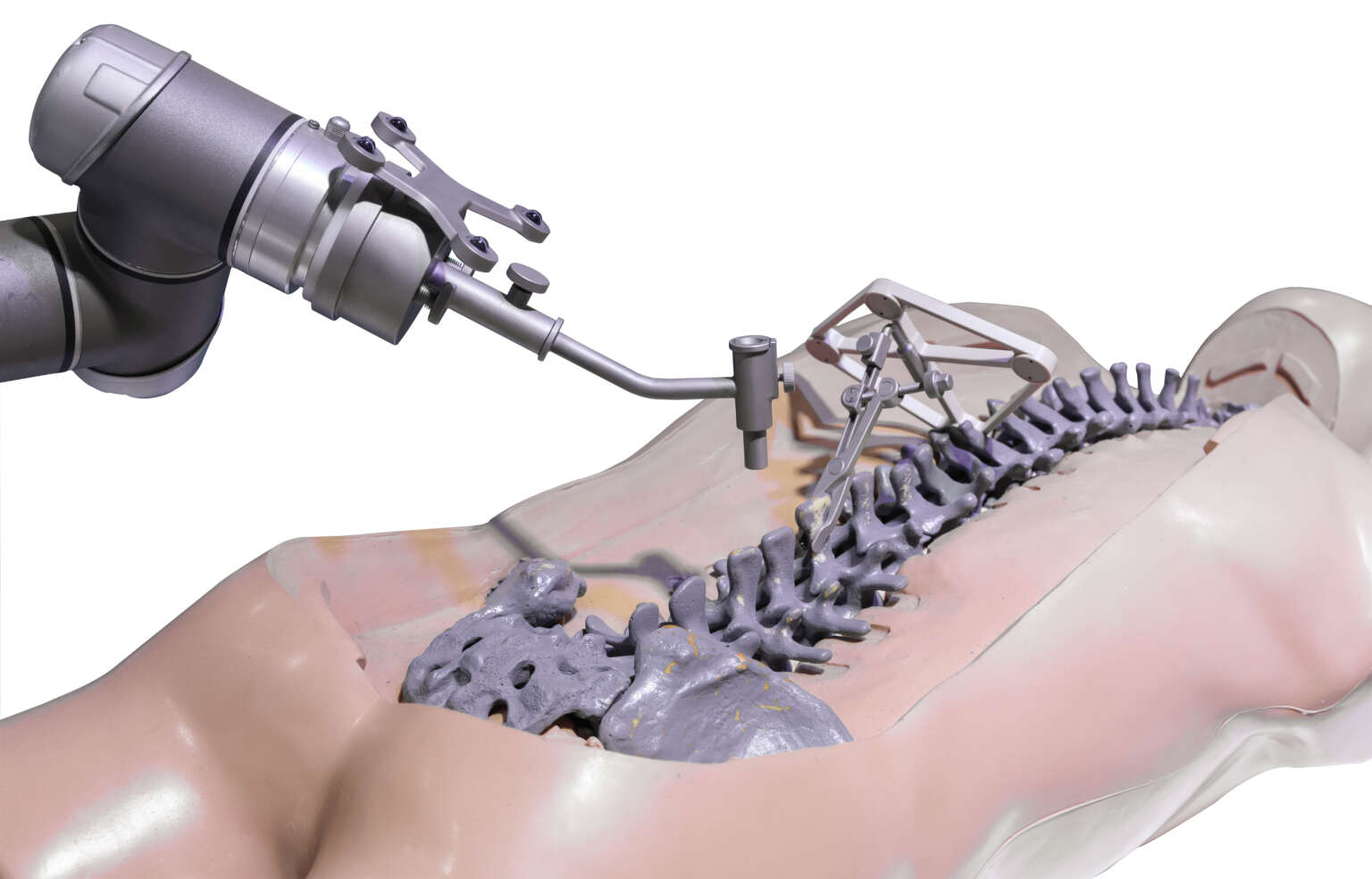
Step 1: Preparation
To get started, the surgeon maps out exactly how they want the surgery to be performed as the robotic technology saves the information.
Step 2: Spinal Surgery
Once surgery starts, the robot helps recreate the same surgical approach planned. With precise navigation and mapping, it helps the surgeon visualize the patient’s anatomy in real-time. It also assists the surgeon to perform the surgery with precision.
Since robotic spine surgery is minimally invasive, you’ll likely resume most normal activities sooner. What’s more, it results in less pain. After the surgery, give yourself time to rest and avoid strenuous activities. Also, take the medications your doctor recommends. You should also take care of your incision sites to reduce the risks of infection.
When is Robotic Spine Surgery Needed?
Traditionally, surgeons use freehand to perform surgery on the spine. During surgery, they must maintain steady hands to operate. But spine surgery can be long and strenuous, making surgeons susceptible to physical and mental fatigue.
This is where robotic spine surgery comes in. Robotic technology can perform repetitive tasks with limitless endurance, reducing the chances of fatigue-related errors. They can help improve accuracy during spine surgical procedures.
They allow surgeons to make precise movements while operating your spine. It can help treat a wide array of spine problems, including degenerative spine, spinal fractures, spine fusion, and other types of spine deformity.