Kyphosis Correction & Scoliosis Correction Treatments
What Are Kyphosis and Scoliosis?
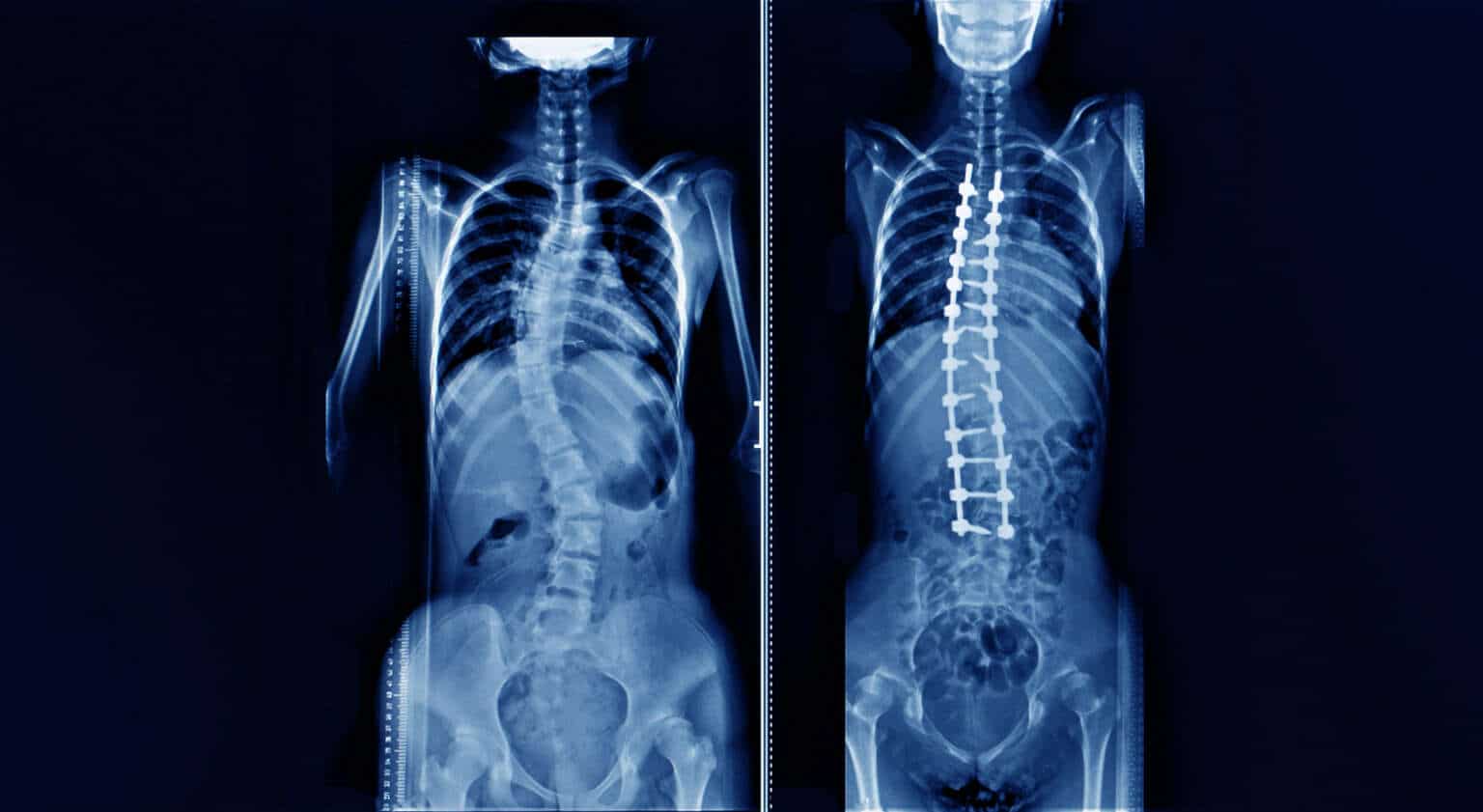
There are a variety of different kyphosis and scoliosis treatments available. However, the best approach will depend on the severity of the condition.
For mild cases of kyphosis or scoliosis, treatment may involve wearing a back brace. This helps to support the spine and prevent further deformity. In more severe cases, surgery may be necessary to correct the deformity.
Surgery is typically only recommended for children who are still growing, as there is a risk that the spine could continue to deform after surgery.
Recovery from kyphosis or scoliosis surgery can take several months, and patients will need to wear a back brace during this time. But, the goal is to treat these spinal conditions before it reaches the point of needing surgery.
The takeaway here? With proper treatment, kyphosis and scoliosis can be effectively managed. And, patients can lead healthy, active lives.
Overview of Kyphosis Correction & Scoliosis Correction
Kyphosis correction involves correcting the curvature of the spine with a brace or surgery. Scoliosis correction treatments involve straightening the spine with a brace or surgery. In some cases, treatment might require a combination of both.
Both kyphosis and scoliosis correction treatments can help improve any issues you might have with the appearance of your spine. The goal of kyphosis and scoliosis treatments is generally to stop the progression of the deformity. In some cases, treatment may also help relieve pain.