
Posterior Fusion Spine Surgery in Minnesota
What is a Posterior Fusion?
Who Needs Posterior Fusion Surgery?
If you have abnormal or excessive motion between two vertebrae, your spine may become unstable. Arthritis of the spine is often responsible for this. Spinal fusion can help restore stability for these patients.
The fusion of the spine can help correct spinal deformities, like scoliosis (sideways curvature of the spine).
After the removal of a damaged (herniated) disc, spinal fusion may be used to stabilize the spine.
First, the surgeon makes an incision in one of three places to reach the vertebrae being fused: directly over the spine, directly on either side, or in your abdomen or throat so that the surgeon can reach the spine from the front.
You may need bone grafts from a bone bank or from your own body (usually from your pelvis) to fuse two vertebrae. To use your own bone, the surgeon makes an incision over your pelvis, removes a small section of it, and then closes the incision.
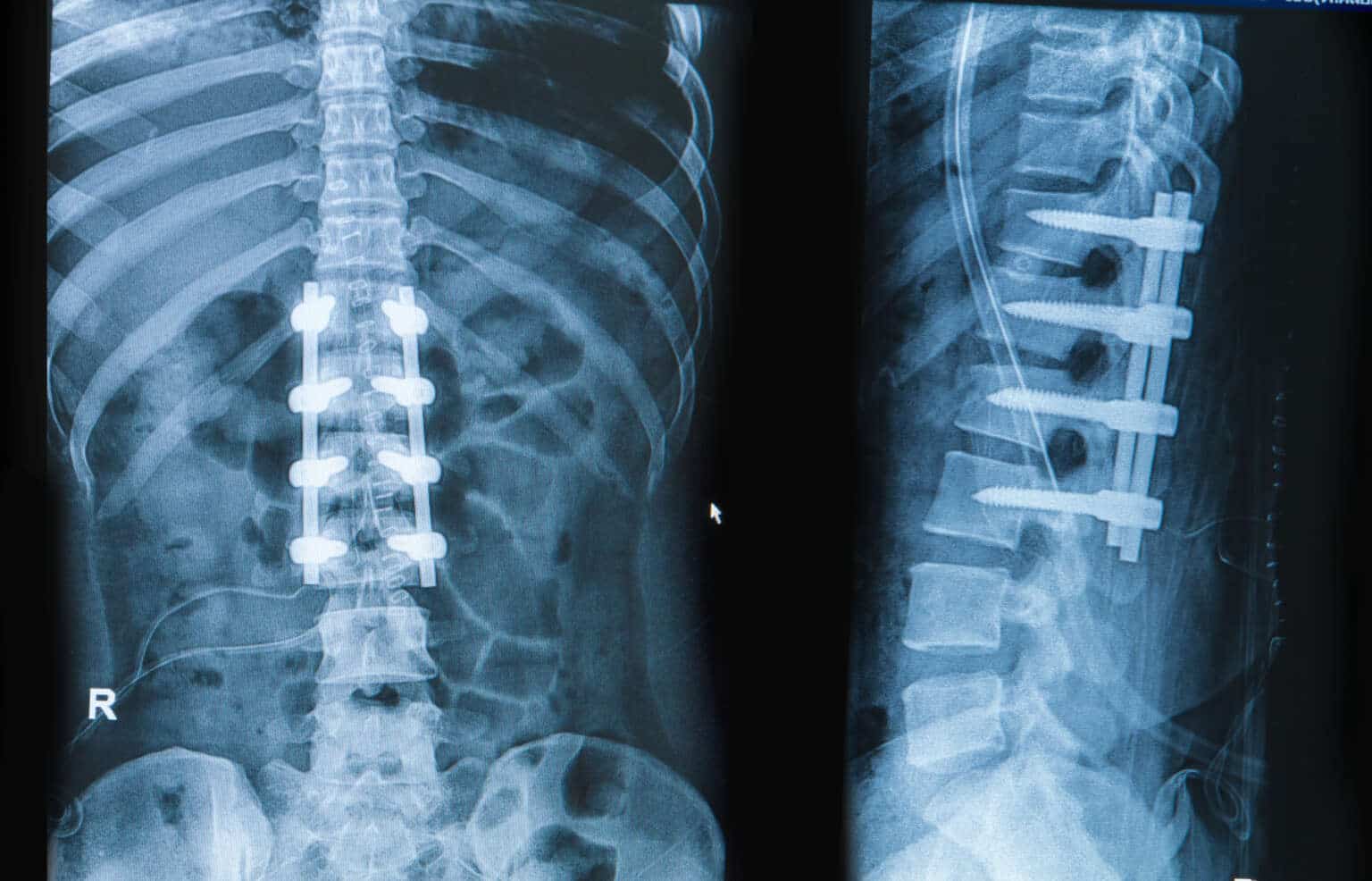
The bone graft material is then placed between the vertebrae to fuse them permanently. The surgeon may insert metal plates, screws, or rods during the healing process to hold the vertebrae together.
After spinal fusion, a two-to-three-day hospital stay is typical.
In most cases, pain and discomfort can be controlled well with medications, depending on the location and extent of your surgery.
The affected bones in your spine may take several months to heal and fuse.
In some cases, your doctor may prescribe a brace to keep your spine aligned.
A physical therapist can teach you how to stand, walk, and sit in a way that ensures your spine is correctly aligned.